
BHAVYA ENTERPRISE

← Back to Home

Adaptive Traffic Control System

Intelligent, real-time technology that dynamically adjusts signal time based on continuous lane traffic density inputs.
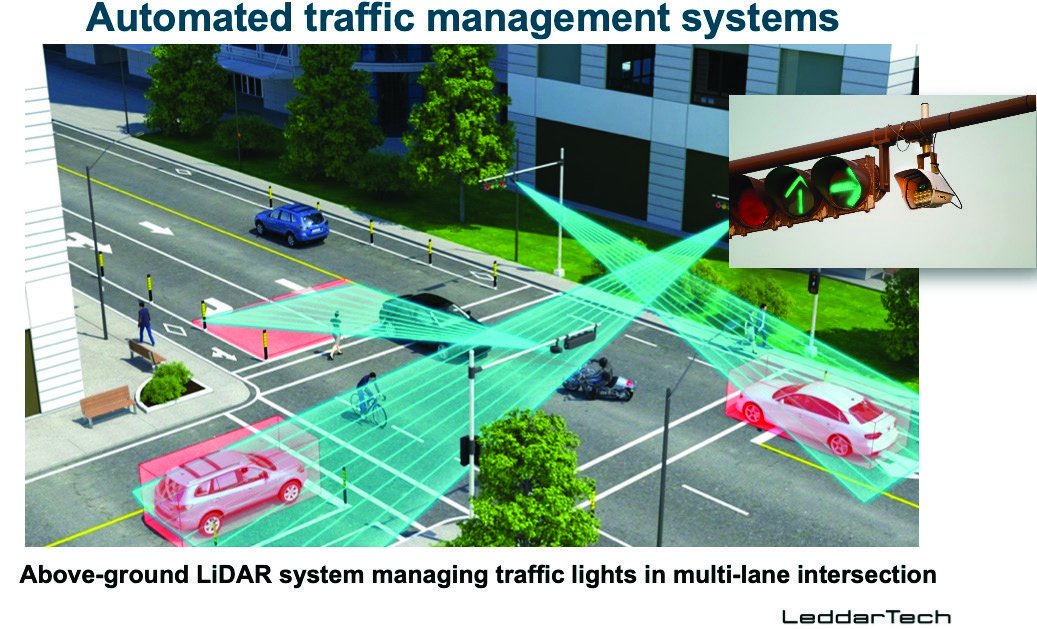
Adaptive Traffic Control System

Product Overview

The Adaptive Traffic Control System (ATCS) is an intelligent, real-time edge computing technology designed to automatically optimize traffic signal phases and timings. By continuously detecting the actual density of traffic at junctions using advanced vision AI cameras, the system dynamically adjusts the duration of green and red lights to maximize vehicle throughput and eliminate unnecessary waiting times.

Key Features

Real-time Adaptation: Dynamically adjusts signal time based on continuous lane traffic density inputs.
Improved Safety: Radically reduces idling times and enhances structured traffic flow seamlessly at major intersections.
Reduced Congestion: Diminishes frustrating bottlenecks and clears queues significantly more effectively than standard fixed-time signals.
Environmental Impact: Ensures lowered fuel consumption and massively reduced emissions dynamically due to decreased vehicle idling.
Enhanced Mobility: Enables smart "green wave" routes and naturally adapts to real-world edge traffic scenarios, including abrupt peak-hour surges.
Vision AI Integration: Utilizes high-definition cameras for flawless, non-intrusive vehicle detection and classification.

Working Mechanism

1. Detection: Vision AI edge cameras continuously monitor all approaching lanes at the intersection, identifying vehicle volume, speed, and class.
2. Analysis: The edge-computing controller instantly analyzes the live video feeds to calculate real-time lane density and queue lengths.
3. Optimization: The proprietary ATCS algorithm calculates the optimal green-light duration required to clear the max capacity lane efficiently.
4. Execution: The system automatically extends or shortens the traffic light phases on the fly, overriding legacy fixed timings.
5. Synchronization: Adjacent intersections act as a mesh network, syncing state data to create continuous "green waves" across the city grid.

Applications